
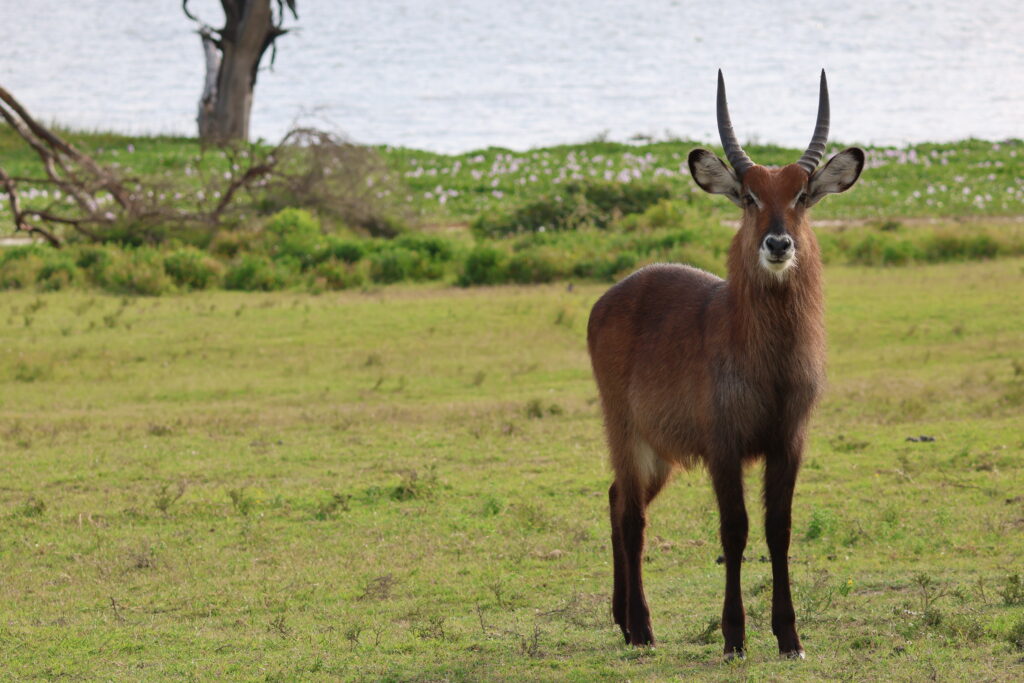
What Is a Typical Day on an African Safari Really Like?
Before taking their first African safari, many travelers picture spending the entire day surrounded by lions, elephants and giraffes.
Some days really can be that exciting. On other days, you may drive for an hour before finding anything larger than an impala.
That is part of safari.
Wild animals do not follow a schedule, and no guide can guarantee what will appear. A typical safari day is built around giving you the best chance of seeing wildlife while also leaving time to eat, rest and enjoy the lodge.
For many guided lodge safaris, the day includes an early-morning game drive, a break during the hottest part of the day and another wildlife activity in the late afternoon. However, the exact schedule changes depending on the country, park, accommodation and type of safari.
A full-day drive in Kenya feels very different from a private reserve stay in South Africa or a self-drive safari through Namibia.
Here is what you can realistically expect.
What Time Does a Safari Day Begin?
Safari days often begin early—sometimes before sunrise.
You may receive a wake-up call around 5:00 or 5:30 a.m., followed by coffee, tea and a light snack before leaving the lodge. Exact times vary by season because sunrise, park gates and local regulations affect when vehicles can begin moving.
Early starts serve a purpose. Temperatures are cooler, visibility is often better and many animals are more active than they will be later in the day.
Predators may still be moving after hunting at night. Elephants, antelope and other animals may be feeding before the heat increases. Birds are also especially active in the morning.
If your itinerary includes many consecutive safari days, it is reasonable to skip an occasional early drive and sleep longer. A private safari usually gives you more flexibility than a shared lodge vehicle, although park hours and travel distances still need to be respected.
What Happens on a Morning Game Drive?
A morning game drive commonly lasts two to four hours, although it may be shorter or longer depending on the destination.
You travel in a safari vehicle with a professional guide or driver-guide who watches for tracks, sounds, animal behavior and information from other guides.
The drive may begin quietly. Then your guide may notice fresh paw prints, circling vultures or animals looking in one direction. These small signs can lead to a larger sighting.
You may stop for:
- Lions resting after the night
- Elephants moving toward water
- Giraffes feeding from acacia trees
- Leopards hidden in branches
- Rhinos in open grassland
- Birds, tracks and smaller animals
- Scenic views and photography
A safari is not only about finding the Big Five.
Your guide may explain plants, insects, animal tracks, bird calls and the relationship between different species. These details often become more interesting as the trip continues.
Official SANParks activities demonstrate how much schedules can vary even within one country. Guided drives at Addo Elephant National Park include sunrise, morning, midday, afternoon, sunset and night departures, with many drives lasting approximately two hours.
Will You Stop for Coffee or Breakfast?
This depends on the lodge and type of drive.
Some morning drives include a coffee stop in a safe location. Others return to the lodge for a full breakfast. On a full-day safari, you may carry a packed breakfast or lunch and eat at a designated picnic site.
A bush coffee stop can be one of the most pleasant parts of the morning. You step out of the vehicle, stretch and listen to the surroundings instead of watching everything through a camera.
However, leaving the vehicle is only permitted where the guide considers it safe. Never step out without permission, even when no animals appear to be nearby.
What Happens During the Middle of the Day?
After the morning drive, you normally return to the lodge for breakfast or brunch.
The middle of the day is often slower because temperatures rise and many animals become less active. This is usually your opportunity to:
- Eat lunch
- Rest or take a nap
- Use the pool
- Read on the lodge deck
- Review photographs
- Watch a nearby waterhole
- Take part in an optional activity
This downtime is not wasted safari time.
Early mornings, bumpy roads and constant concentration can become tiring. A few quiet hours make it easier to enjoy the afternoon drive instead of treating every activity as something that must be completed.
Some lodges overlook rivers, plains or waterholes, so wildlife may come to you while you are resting. You could see elephants, antelope, monkeys or birds without leaving the property.
Do You Always Return to the Lodge at Midday?
No. Some itineraries use full-day game drives instead.
This is common when the park is large, the lodge is located outside the reserve or returning for lunch would waste several hours.
For example, a day in the Maasai Mara may begin after breakfast and continue into the afternoon with a picnic lunch inside the reserve. This gives you more time in productive wildlife areas and avoids repeated driving between the park and your accommodation.
The tradeoff is that a full day in a safari vehicle can be tiring.
A nine-day private Kenya safari may include a combination of full-day drives, shorter afternoon drives, lake activities and transfer days. This variety prevents every day from following exactly the same schedule.
What Happens on an Afternoon Game Drive?
The afternoon drive usually begins when the temperature starts to fall.
Depending on the season and location, this may be around 3:00 or 4:00 p.m. The drive then continues until sunset or until park rules require vehicles to return.
Animals that rested through the heat may begin moving again. Elephants may approach water, predators may become more alert and the changing light can be excellent for photography.
Many private reserves include a sundowner stop. The vehicle pauses in a safe location so guests can have a drink and watch the sunset.
It is a simple experience, but often one of the most memorable parts of the day.
After sunset, some drives continue into darkness with a spotlight. Night drives offer the possibility of seeing nocturnal animals that are rarely active during the day.
Night activities are not allowed everywhere. They are more common in private reserves and concessions than in public national parks, where gate-closing rules may apply.
What Happens After the Evening Drive?
After returning to camp or the lodge, there is usually time to freshen up before dinner.
Dinner may be served in a restaurant, around a communal table, outside under the stars or in a traditional boma-style setting.
Depending on the property, the evening may include:
- A campfire
- A briefing for the next day
- Stargazing
- Traditional music or storytelling
- Drinks at the bar
- Listening to wildlife from the lodge
Most safari evenings finish fairly early because the next morning begins early again.
At unfenced camps, staff may escort you to your room after dark. This is not a theatrical touch. Animals can pass through camp, and guests should never walk alone when the lodge instructs otherwise.
How Long Do You Spend in a Safari Vehicle?
There is no standard answer.
A shorter lodge drive may last two or three hours. A morning or afternoon drive may last three to four hours. A full-day drive can keep you away from the lodge for six to nine hours, including rest and meal stops.
Transfer days can involve even more time in the vehicle.
This is why it is important to look at the entire itinerary rather than counting only the number of parks.
A trip that changes lodges every night may sound exciting on paper but can involve constant packing and long road transfers. Staying two or three nights in the same location usually creates a more comfortable rhythm.
For most first-time travelers, more game-drive hours do not automatically create a better safari.
Sometimes one quiet afternoon at the lodge makes the following morning far more enjoyable.
What Happens When You Do Not See Much Wildlife?
Some game drives are slow. You may spend a long time searching without seeing a major predator. The lion you watched yesterday may have moved far from the road. A leopard may be only a few yards away but completely hidden.
This does not mean the guide has failed or the park has no wildlife.
Animals move according to water, food, weather, territory and pressure from other animals. They do not remain near roads for the convenience of visitors.
A good guide knows how to make quiet periods interesting. They may show you tracks, explain alarm calls, identify birds or discuss the landscape and local ecology.
The unpredictability is what makes a real sighting exciting. Seeing a lion in a zoo and finding one after following tracks for an hour are completely different experiences.
Is Every Safari Day the Same?
It should not be.
Several consecutive days with the same wake-up time, the same type of vehicle and the same schedule can eventually become repetitive—even when the wildlife is excellent.
A balanced itinerary may combine traditional game drives with:
- A boat safari
- A guided bush walk
- A night drive
- A hot-air balloon flight
- A cultural experience
- A beach stay
- A scenic drive
- A desert excursion
- A city or town
- A free afternoon
This variety is particularly important during longer trips.
Our guide to how many days you need for an African safari explains why an 18-day African journey can be wonderful, while 18 days of nonstop morning and afternoon game drives may be too intense for many first-time travelers.
What Is a Typical Safari Day in Kenya?
Kenya often uses a mixture of shorter drives and full-day safaris.
In reserves such as the Maasai Mara, travelers may leave after breakfast with a packed lunch and remain in the reserve for most of the day. This can be practical when wildlife has gathered far from the lodge or when the accommodation is outside the main gate.
Other locations provide a different pace.
A Kenya itinerary may include a boat trip on Lake Naivasha, time at a lodge, a cultural visit or a travel day through the Great Rift Valley. A longer trip can end with several days on the coast.
The available private Kenya safari itineraries include six-day, nine-day and safari-and-beach options, allowing the daily pace to be adjusted around the amount of time available.
What Is a Typical Safari Day in Namibia?
Namibia does not usually follow the same rhythm as a traditional lodge safari.
A typical day may include breakfast, several hours of driving, a stop at a scenic viewpoint and an afternoon activity at the next destination.
Inside Etosha National Park, you may spend much of the day moving between waterholes. Instead of driving continuously in search of animals, you can park and wait for wildlife to arrive.
Other Namibia days may have no traditional game drive at all.
You may visit the dunes of Sossusvlei, explore the coast around Swakopmund, travel through Damaraland or stop at geological and cultural sites.
This makes Namibia a good choice for travelers who want wildlife but do not want safari to be the only purpose of the trip.
One Big Planet offers both private guided tours through Namibia and independent self-drive options. Current routes range from shorter highlights to journeys of 15 or 18 days.
What Is a Typical Safari Day in South Africa?
A private game reserve in South Africa often follows the classic lodge schedule:
- Early wake-up
- Morning game drive
- Breakfast or brunch
- Midday rest
- Afternoon tea
- Evening game drive
- Dinner
These stays are usually easy for first-time travelers because the daily logistics are handled by the lodge.
A self-drive day in Kruger National Park is more independent. You choose when to leave, which roads to follow and when to return, as long as you respect gate times and park regulations.
South Africa can also be combined easily with Cape Town, the Winelands, coastal travel and other non-safari experiences. Explore the available private South Africa tours and safari stays for examples of how wildlife can fit into a broader vacation.
What Is a Typical Safari Day in Botswana?
Botswana can include more variety in how you view wildlife.
Depending on the region and season, your day may include:
- A traditional vehicle safari
- A motorboat excursion
- A mokoro canoe trip
- A guided walk
- A scenic flight
- Wildlife viewing around camp
In the Okavango Delta, water levels affect which activities are possible. Some camps emphasize boats and mokoro excursions, while others offer more land-based wildlife viewing.
In Chobe, travelers often combine a morning game drive with an afternoon river cruise. The view from the water can provide a completely different perspective on elephants, hippos, crocodiles and birds.
What Is a Typical Safari Day in Zimbabwe?
Zimbabwe can combine traditional game drives with major scenic and cultural attractions.
A trip around Victoria Falls may include a tour of the Falls, a Zambezi River cruise, leisure time and a visit to nearby Zambezi National Park.
In Hwange National Park, the schedule may return to more traditional morning and afternoon wildlife drives. Some lodges also offer guided walks or time watching active waterholes.
The eight-day Zimbabwe and Botswana private tour combines Victoria Falls, Zambezi National Park, Hwange, Chobe, river activities and stargazing rather than repeating the same type of safari every day.
Can a Private Safari Follow a Different Schedule?
Usually, yes. One of the main advantages of a private safari is flexibility. You may be able to start slightly later, remain longer at a sighting, focus on photography or return to the lodge when you have had enough. Families can plan shorter drives, while birdwatchers or serious photographers may want more time in the field.
However, private does not mean that every schedule can be changed without limits.
Park gate hours, lodge meal times, driving distances, weather and safety rules still apply. Your guide will help create the best realistic plan for the day.
One Big Planet designs custom private African safaris around the traveler’s preferred pace rather than requiring everyone to follow the same rigid itinerary.
Is Safari Tiring?
It for sure can be. Early mornings, heat, dust, uneven roads and long periods of sitting can be more physically tiring than travelers expect.
Safari also requires concentration. You are constantly watching the landscape, listening to the guide and looking for movement.
This is why I do not recommend filling every moment of a first safari with scheduled activities.
You do not need to attend every available drive. Sleeping late one morning or spending an afternoon by the pool will not ruin your trip. It may help you enjoy it more.
What Makes a Good Safari Day?
A good safari day is not necessarily the day when you see the greatest number of animals.
It may be the morning when you watch elephants quietly cross the road. It may be a long search that finally leads to a leopard. It may be breakfast overlooking a waterhole or a sunset stop with no other vehicle nearby.
The best safari itineraries create enough time for these moments to happen without making the traveler feel rushed.
They also include variety.
For some people, the perfect day is ten hours inside a wildlife reserve. For others, it is a morning game drive followed by a pool, a good lunch and a quiet evening.
Explore our African safari destinations to compare Kenya, Namibia, South Africa, Zimbabwe, Botswana and other travel options.
You can also read our guides to African safari costs, choosing the right safari length and the best safari destinations for first-time visitors.
When you are ready to begin planning, contact One Big Planet to create a private itinerary around your interests, comfort level and preferred daily pace.