
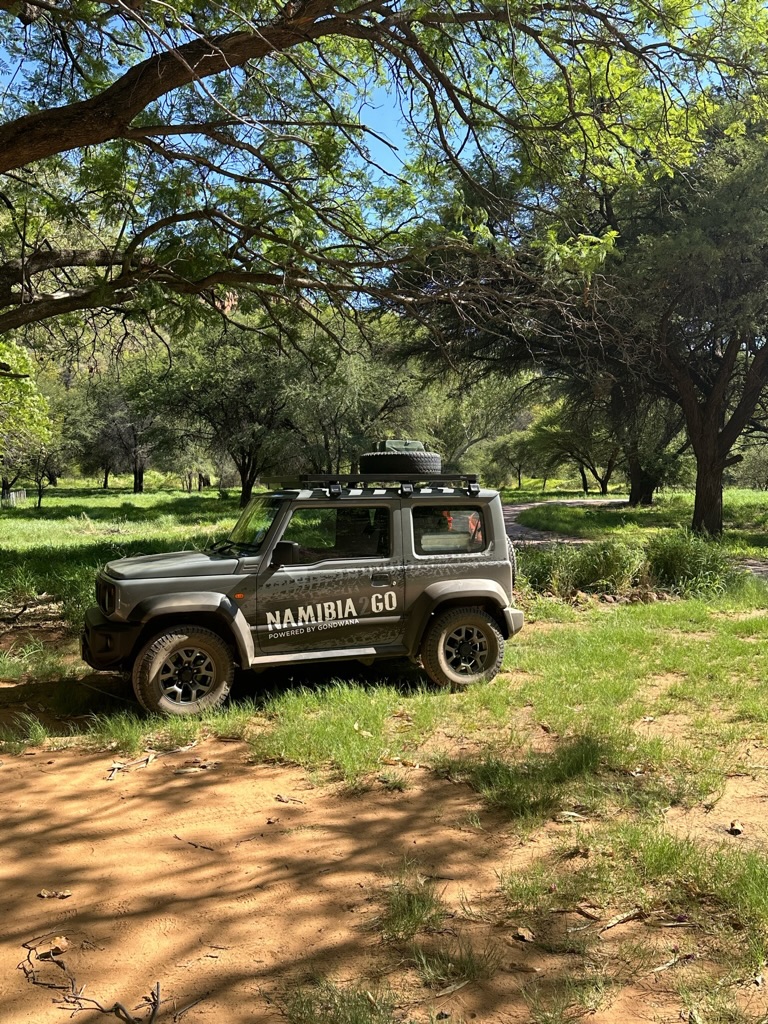
Namibia, with its breathtaking landscapes, diverse wildlife, and unique culture, is becoming a top destination for adventurous travelers. A self-drive in Namibia will make a great trip and leave a lot of memories. It is very safe, and it is a really great way to experience Africa for someone who is visiting for the first time. Many visitors are drawn to the idea of embarking on a self-drive adventure to explore this stunning African country at their own pace. But when it comes to choosing a vehicle for your Namibian road trip, the question often arises: Do you really need a 4×4 for a self-drive in Namibia?
Namibia offers a diverse range of attractions, from the otherworldly landscapes of the Namib Desert to the lush oasis of the Caprivi Strip. Each region presents its own set of challenges and unique experiences, and the suitability of your vehicle can greatly impact your journey. There are places that are easily accessible even with a VW Golf, and there are many other places that are very hard to get to. Let’s see the factors you should consider before deciding whether or not a 4×4 is necessary for your Namibian adventure.
- Road Conditions: Namibia’s road network is a mix of paved highways and gravel roads, and the quality of these roads can vary greatly. If you follow the link, you can see that only 8 thousand kilometers, out of almost 49 thousand kilometers of total road coverage, are paved and the rest is gravel. While you can easily explore popular tourist destinations like Windhoek, Swakopmund, and Etosha National Park with a regular sedan, some areas require a more rugged vehicle. Remote areas and desert tracks often demand the traction and clearance that a 4×4 provides. Namibia has great road maintenance, and when we were driving we constantly saw crews grading roads. That said, gravel does not always mean bad. You can also just have more rugged suspension and higher clearance, so an SUV could do.
- Destination Choice: Your choice of destinations will heavily influence your need for a 4×4. If you plan to stick to well-traveled routes and visit major national parks, a standard car may suffice. However, if you dream of venturing deep into the Namib Desert, exploring the isolated Skeleton Coast, or tackling challenging routes like Damaraland and Kaokoland, a 4×4 is almost a necessity. It is not that an SUV would not make it, it is the fact that an SUV is not always suited for rough conditions and the chance of a breakdown is higher. A lot of remote areas in Namibia do not have cell phone reception, so you risk getting trapped somewhere far away from help. But again, if you are only driving to the main tourist spots, a 4×4 would not be necessary.
- Weather Considerations: Namibia experiences a wide range of weather conditions, from scorching heat to unpredictable rain. During the rainy season, some roads can become treacherous, and having a 4×4 with good off-road tires becomes crucial for safety and mobility. Most rivers are ephemeral, flowing only part of the year, while for the rest of the year they are just dry riverbeds, so flash floods are possible. It is also possible to cross some streams, so high clearance is essential here.
- Comfort and Convenience: 4×4 vehicles tend to offer more comfort and space, which can enhance your overall experience, especially if you plan on camping or spending long hours on the road. Additionally, many 4x4s come equipped with camping gear, making it easier to explore Namibia’s remote areas. A 4×4 also often comes with a bigger engine volume, making the car more powerful.
- Local Knowledge: Having a 4×4 is not enough; knowing how to use it effectively is equally important. Familiarize yourself with off-roading techniques and, if possible, seek advice from locals or tour operators who are experienced with Namibian conditions.
- Budget Constraints: Renting a 4×4 can be more expensive than a regular car, not just in terms of rental costs but also fuel consumption. Consider your budget and weigh it against the benefits of having a 4×4 for your specific itinerary. The difference between a 4×4 and a small sedan may be more than twice as much, with an SUV landing somewhere in the middle.
Whether or not you need a 4×4 for a self-drive adventure in Namibia depends on your itinerary and comfort level with off-road driving. While a 4×4 can provide greater flexibility and access to remote areas, it is not always mandatory for all travelers. Research your route thoroughly, assess your driving skills, and make an informed decision based on your preferences and the type of experience you seek.
In our own experience, we had a 4×4 just to be on the safe side, but we only engaged the second axle once, while climbing a steep hill in Damaraland. The slope seemed to crumble a little, and we wanted to get traction on all four wheels instead of “digging” into the road. But honestly, we probably could have done it slowly with a regular car as well. About Sossusvlei, I honestly would not drive there even if I had the best car for it; it just seems too dangerous for me to drive in soft, sinking sand. If I were going now, I would only get an SUV. However, I have visited Namibia multiple times and feel well oriented in the environment. We got a lot of driving experience with African roads, and Namibia has some of the best roads. Still, when we travel to an unknown destination, we still tend to choose bigger, newer cars, just to be on the safe side.
In conclusion, if you want to be on the safe side, if you are planning to go deep into the bush, and if your budget allows, choose a 4×4. If you have some experience in Africa and on gravel roads, if you have fewer days, and if you only travel to the well-traveled parts, if you are on a budget, choose an SUV.
Ultimately, whether you choose a 4×4 or a standard vehicle, Namibia’s vast and awe-inspiring landscapes are sure to leave you with unforgettable memories of your self-drive adventure in this stunning African country.
One Big Planet can help you plan your self-drive in Namibia, and we also offer camping gear rental, as well as private guided tours where you can relax and not think about road conditions and driving.